
SHOCK
Not enough blood flow to feed the cells.
Low pressure, starving organs, any cause.

FOUNDATIONS + CONNECTIONS
Four ways the flow fails, and how the body fights back.SHOCK =
Blood flow is too low to deliver the oxygen cells need, so cells switch to backup fuel, make lactate and start to die.
THE FOUR TYPES pick the broken part
 HYPOVOLEMIC: not enough fluid in the tank
 CARDIOGENIC: the pump fails
 DISTRIBUTIVE: the pipes open too wide (septic, anaphylactic, neurogenic)
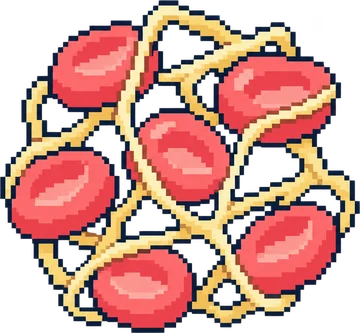 OBSTRUCTIVE: something blocks the flow
THE PROFILES tap each box to reveal
| HYPOVOLEMIC | CARDIOGENIC | 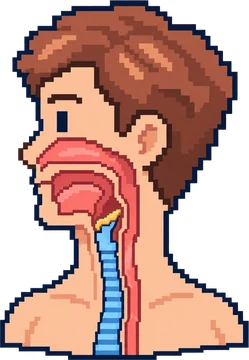 NEUROGENIC | 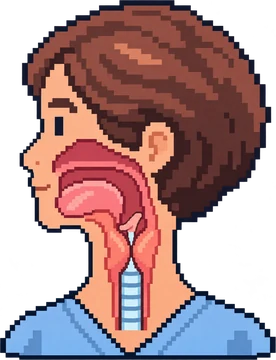 ANAPHYLACTIC | OBSTRUCTIVE | |
|---|---|---|---|---|---|
| HEART RATE | ▲Racing | ▲Racing | ▼Slow | ▲Racing | ▲Racing |
| PUMP OUTPUT (CO) | ▼Low | ▼Low | ▼Low | ▼Low | ▼Low |
| VESSEL SQUEEZE (SVR) | ▲Clamped | ▲Clamped | ▼Wide open | ▼Wide open | ▲Clamped |
| FILLING PRESSURE | ▼Empty tank | ▲Backs up, crackles | ▼Blood pools | ▼Fluid leaks out | ▲Neck veins bulge |
| SKIN | ▬Cool, clammy | ▬Cool, clammy | ▬Warm, dry | ▬Flushed, hives | ▬Cool, clammy |

THE STAGES scroll the timeline
 STAGE 1InitialCells start to starve. Few outward signs.
 STAGE 2CompensatoryHeart rate up, vessels squeeze, BP holds, pulse pressure narrows, restless, less urine, thirsty.
 STAGE 3ProgressiveMAP falls, cold clammy skin, confusion, lactate climbs, crackles.STAGE 4RefractoryNo response to treatment. Organs fail one after another.
WHO IS AT RISK hover or tap
ACROSS THE LIFESPAN tap each one
 CHECKPOINT 1
ASSESSMENT + DIAGNOSTICS
Read the clues, name the shock.NAME THAT SHOCK fewer clues = more points
SPOT ANAPHYLAXIS tap each one
COMPENSATING OR FAILING?
MONITORING TOOLS flip all 6
CHECKPOINT 2PRIORITIZATION + CLINICAL JUDGMENT
Airway first, then stop the cause.WHO DO YOU SEE FIRST?
ANAPHYLAXIS: PUT IT IN ORDER tap in order
TRAUMA BAY: WHAT FIRST?
RN OR ASSISTIVE PERSONNEL?
CHECKPOINT 3MEDICAL TREATMENT + TEAM
Each type has its own fix.MATCH THE SHOCK TO THE FIX tap a pair
CARDIOGENIC SHOCK tap each one
BALLOON PUMP (IABP) CHECKS
 TIMINGInflates in diastole, deflates right before systole.PULSESCheck the leg below the insertion site and the left arm.LEFT ARM PULSE LOSTBalloon slid up. Report now.
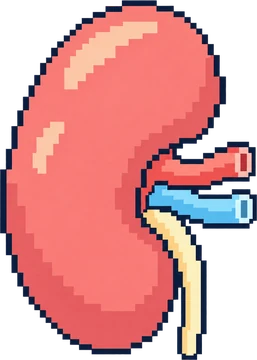 URINE DROPSBalloon slid down over the kidney arteries.
 LEG STRAIGHTNo hip bending. Head of bed 30 or lower.BLEEDINGSite and platelets. Often on anticoagulants.
OBSTRUCTIVE: FIND THE BLOCK
THE TEAM hover or tap
CHECKPOINT 4NURSING INTERVENTIONS
What the nurse does at the bedside.PRIORITY NURSING ACTIONS
 OXYGENAirway and breathing first.
 TWO LARGE-BORE IVS14 to 16 gauge.FLAT, LEGS UPAvoid steep head-down tilt.
 MAP 65+Arterial line, frequent checks.HOURLY URINE0.5 mL/kg/hr or more.
 KEEP WARMWarm fluids and blankets. Cold blood clots poorly.
 LISTEN AFTER FLUIDSNew crackles: stop and report.MENTAL STATUSAny change is a perfusion change.
HEMORRHAGE OR SPINAL? SORT THE ORDERS
DO IT OR TRAP?
 CHECKPOINT 5
PHARMACOLOGY
Tap each card to flip the exam trap.THE MEDICATION CARDS tap to flip
TITRATE OR FIXED? beat the clock
CHECKPOINT 6COMPLICATIONS + EVALUATION
What can go wrong and how you know it is working.COMPLICATIONS tap each one
AFTER MANY UNITS OF BLOOD
Massive transfusion.Clotting factors diluted.Citrate binds calcium.Replace what was lost.IS THE TREATMENT WORKING?
CHECKPOINT 7PATIENT EDUCATION
Allergies, autoinjectors and when to call 911.USING AN EPINEPHRINE AUTOINJECTOR
 Carry 2 at all times
 Outer thigh, through clothes if neededCall 911 right afterSecond dose in 5 to 15 minutes if no betterGo to the hospital even if better
HOW TO STAY SAFE AT HOME

TRUE OR FALSE AT HOME beat the clock
OKAY, CALL THE PROVIDER, OR CALL 911?
CHECKPOINT 8FINAL CHECK
5 questions from everything, mixed like the exam.FINAL CHECKPLAY IT
 Q BANK
 ACUITY
 POTION PASS
SHOCK, ONE SHEET
Every sprite, rule and medication from this page, made to print or drop into your notes app.
$2.99 · FREE WITH PRO
COMING SOON SEE PRO
QUICK ANSWERS
What are the four types of shock?
Hypovolemic (not enough fluid or blood), cardiogenic (the heart pump fails), distributive (vessels open too wide: septic, anaphylactic and neurogenic) and obstructive (something blocks flow, like cardiac tamponade, tension pneumothorax or a massive pulmonary embolism).
How is neurogenic shock different from other shock?
Neurogenic shock follows a spinal cord injury at T6 or above. The client has low blood pressure with a slow heart rate and warm, dry skin, because sympathetic tone is lost. Other types of shock usually cause a fast heart rate.
What is the first drug for anaphylaxis?
Epinephrine given into the muscle of the outer thigh, after stopping the trigger. It can be repeated every 5 to 15 minutes. Antihistamines and steroids are second-line.
Why should the nurse question a fluid bolus in cardiogenic shock?
In cardiogenic shock the pump is failing and filling pressures are already high. A large fluid bolus can worsen pulmonary edema. Treatment focuses on reopening the artery, inotropes and mechanical support.
What are early signs of shock?
Restlessness or anxiety, a rising heart rate, a narrowing pulse pressure, thirst and falling urine output. Low blood pressure is a late sign.
How this page is checked: facts come from current national clinical guidelines and standard nursing textbooks and review books, weighted to what they test most. All wording, questions and art are original to PixelNursing. Last reviewed November 2026.