CARDIAC FLOOR · STUDY PAGE
MYOCARDIAL INFARCTION
A clot closes a coronary artery.Heart muscle starts dying. Time is muscle.
NCLEX STAPLE 8 levels 35 quiz questions 19 mini games
1
FOUNDATIONS + CONNECTIONS What happens in the artery, who is at risk, what it leads to.
MYOCARDIAL INFARCTION =
Heart muscle dies because a coronary artery is blocked, almost always by a clot on a cracked plaque.
Also called a heart attack Part of acute coronary syndrome (ACS ) Every minute of blockage kills more muscle WHAT'S HAPPENING INSIDE tap each step
TIME IS MUSCLE slide the clock and watch the damage
ANGINA TO STEMI
RISK FACTORS
YOU CAN'T CHANGE hover or tap
WHO GETS THE ATYPICAL PICTURE tap each one
OLDER ADULTS tap Confusion, weakness, a fall or shortness of breath, sometimes with no chest pain at all. WOMEN tap Fatigue, nausea, indigestion, back or jaw pain, shortness of breath. Often missed. DIABETES tap Nerve damage can silence the pain. Unusual tiredness may be the only sign. HOW IT CONNECTS tap each one
MUST KNOW Unstable angina, NSTEMI and STEMI are all ACS : an emergency until proven otherwise.
2
ASSESSMENT + DIAGNOSTICS The classic picture, the 12-lead and troponin.
THE CLASSIC PICTURE tap each one
CHEST PRESSURE tap Over 20 minutes. Squeezing or heavy. Not relieved by rest or nitroglycerin. SPREADS tap To the jaw, neck, left arm or back. SWEATY, CLAMMY tap Cool, pale skin from a stress response. NAUSEA tap Vomiting or indigestion, especially in women. SHORT OF BREATH tap The left ventricle is struggling. SENSE OF DOOM tap Anxiety and restlessness. ANGINA OR MI ?
LABS AND TESTS flip all 6
12-LEAD ECG tap Within 10 minutes of arrival.ST elevation = STEMI TROPONIN tap Most specific for heart muscle injury. Repeated over hours. Stays up about 10 to 14 days.One normal result rules nothing out CK-MB tap Older marker. Back to normal in 2 to 3 days.Helps spot a second MI ECHO tap Shows which wall moves poorly and the EF .Sizes the damage CARDIAC CATH tap Dye shows the blockage. Can open it with a stent.Diagnose and treat POTASSIUM + MAGNESIUM tap Low levels trigger dysrhythmias.Keep them normal RED FLAGS AFTER AN MI tap each one
NEW DYSRHYTHMIA tap Runs of VT or many PVCs . Get ready for VF . SHOCK tap Low BP , cold clammy skin, little urine, confusion. NEW MURMUR + CRACKLES tap Papillary muscle rupture. Sudden pulmonary edema. PAIN RETURNS tap After a stent: the stent may have clotted. BACK PAIN AFTER CATH tap With falling BP : bleeding behind the abdomen. COOL, NUMB HAND tap After a radial cath: blood flow to the hand is cut off.
3
PRIORITIZATION + CLINICAL JUDGMENT Who first, what first, the first 10 minutes.
WHO DO YOU SEE FIRST?
CHEST PAIN ARRIVES. WHAT FIRST?
THE FIRST MINUTES put them in order
ESCALATE STEMI : activate the cath lab. Door to balloon within 90 minutes. No cath lab: fibrinolytic within 30 minutes.RN OR ASSISTIVE PERSONNEL?
4
MEDICAL TREATMENT + TEAM Open the artery, then protect the heart.
DOOR TO RECOVERY scroll the timeline
0 MIN Arrives Monitor, IV , aspirin. 10 MIN 12-lead read STEMI ? Call the cath lab.30 MIN No cath lab? Fibrinolytic by now. 90 MIN Balloon + stent Door to balloon goal. DAYS 1 TO 3 Up and walking Dangle, chair, hallway. WEEKS Cardiac rehab Every client gets referred. THE TREATMENT PATH tap each step
1. FIRST MINUTES tap ECG , aspirin, nitroglycerin, oxygen if under 90%, IV access.2. STEMI tap PCI with a stent within 90 minutes of arrival, usually through the wrist. No cath lab nearby: fibrinolytic within 30 minutes.3. NSTEMI + UNSTABLE tap Heparin, antiplatelets, beta blocker. Cath within hours to days based on risk. 4. CABG tap Bypass surgery for many blocked vessels or the left main artery. 5. HOME tap Aspirin + P2Y12 inhibitor, beta blocker, high-intensity statin, ACE inhibitor. 6. REHAB tap Supervised exercise and teaching. Lowers the chance of dying. THE NURSE'S ROLE tap each one
BEFORE CATH tap Kidney function, past contrast reactions, hold metformin per order, NPO, consent. AFTER FEMORAL tap Leg straight, head of bed 30 degrees or less, site and foot pulses often. Back or flank pain = bleeding. AFTER RADIAL tap Preferred: less bleeding, walks sooner. Wrist straight, no BP cuff on that arm, hand color and feeling, band air released per protocol. FIBRINOLYTIC tap Bleeding precautions, neuro checks, watch for signs the artery opened. AFTER CABG tap Chest tube output, BP , heart sounds. Watch for bleeding and tamponade. THE TEAM hover or tap
Cardiologist i Cardiac surgeon i Pharmacist i Cardiac rehab i Dietitian i Mental health i
6
PHARMACOLOGY Tap each card to flip the exam trap.
GOING HOME ON THESE
Aspirin P2Y12 inhibitorBeta blocker High-intensity statin ACE inhibitorTHE MEDICATION CARDS tap to flip
ASPIRIN 162 to 325 mg first dose, then 81 mg daily CHECK Bleeding, allergy WATCH GI upset, bleedingTEACH Chew the first dose tap to flip ▸ Swallowing it whole slows it down. Chew it. NITROGLYCERIN under the tongue, spray, patch, IV CHECK BP before every doseWATCH Headache, low BP , dizziness TEACH Every 5 minutes, up to 3. Call 911 if not better 5 minutes after the first. tap to flip ▸ Never with sildenafil-type drugs. Keep it in the dark glass bottle. P2Y12 INHIBITORticagrelor, prasugrel (preferred with a stent), clopidogrel CHECK Bleeding, platelets WATCH Bruising, black stools TEACH Usually 12 months or more. Only the cardiologist stops it. tap to flip ▸ Ticagrelor is twice daily and keeps aspirin at 81 mg. Mild shortness of breath is common: keep taking it and report. BETA BLOCKER metoprolol, carvedilol CHECK Apical pulse, BP WATCH Slow pulse, low BP , fatigue TEACH Never stop suddenly tap to flip ▸ Hold for a pulse under 60 or a low BP and notify. ACE INHIBITORlisinopril CHECK BP , potassium, creatinineWATCH Cough, angioedema, high potassium TEACH Rise slowly tap to flip ▸ Protects the healing heart from remodeling. Lip swelling is an emergency. STATIN atorvastatin, rosuvastatin CHECK Lipids, liver enzymes WATCH Muscle pain TEACH Report unexplained muscle pain tap to flip ▸ Muscle pain can be rhabdomyolysis. Simvastatin goes in the evening. HEPARIN IV for unstable angina and NSTEMI CHECK aPTT , plateletsWATCH Bleeding, HIT TEACH Report bleeding tap to flip ▸ Platelets dropping by half on day 5 to 10: think HIT . Antidote: protamine. MORPHINE IV for pain not relieved by nitroCHECK Respiratory rate, BP WATCH Slow breathing, low BP , constipation TEACH Report itching, nausea tap to flip ▸ Hold for a low respiratory rate. Naloxone reverses it. FIBRINOLYTIC alteplase, tenecteplase CHECK Bleeding, neuro checks WATCH Bleeding anywhere, especially the brain TEACH Bleeding precautions tap to flip ▸ Never with a past brain bleed or active bleeding. MATCH THE TRAP tap a drug, then its trap
POTASSIUM Keep potassium and magnesium normal after an MI . Low levels trigger dysrhythmias.
7
COMPLICATIONS + EVALUATION What can go wrong and how you know it is working.
COMPLICATIONS tap each one
DYSRHYTHMIAS tap The #1 cause of death early after an MI . HEART FAILURE tap Weak scarred pump. Crackles, S3, edema. CARDIOGENIC SHOCK tap Low BP , cold skin, little urine, confusion. PERICARDITIS tap Sharp pain worse lying down, better leaning forward. Friction rub. PAPILLARY MUSCLE RUPTURE tap New loud murmur, sudden pulmonary edema. WALL RUPTURE tap Days 3 to 7. Sudden tamponade and collapse. STENT CLOT tap Crushing pain and new ST elevation after a stent. DEPRESSION tap Common in the weeks after. Screen for it. HEART BLOCK tap Inferior MI can injure the conduction system: slow pulse, blocks. IS THE TREATMENT WORKING?
TREATMENT FAILING Pain returning, new ST changes, falling BP or new crackles after treatment: 12-lead, call the provider or rapid response.
8
PATIENT EDUCATION Rehab, meds for life, and when to call 911.
HOW TO MANAGE IT AT HOME
CARDIAC REHAB Go to every session.
NITRO PLAN Every 5 minutes, call 911 after the first if not better.
NEVER SKIP Antiplatelets keep the stent open.
HEART-HEALTHY FOOD Less saturated fat and sodium.
QUIT TOBACCO The biggest single win.
BUILD ACTIVITY Stop for chest pain, short of breath, dizziness or a pulse 20+ over resting.
SEX Usually OK once 2 flights of stairs are easy.
WATCH MOOD Report sadness that lasts.
HEART-HEALTHY OR LIMIT IT?
OKAY, CALL THE PROVIDER, OR CALL 911?
TRAP Stopping clopidogrel early because of bruising. Call the provider instead. The stent can clot.
★
FINAL CHECK 5 questions from everything, mixed like the exam.
PRINTABLE STUDY SHEET
MYOCARDIAL INFARCTION, ONE SHEET
Every sprite, rule and medication from this page, made to print or drop into your notes app.
$2.99 · FREE WITH PRO
COMING SOON SEE PRO
?
QUICK ANSWERS
What is the difference between STEMI and NSTEMI ? Both have a rising troponin, which means heart muscle died. A STEMI shows ST elevation on the 12-lead ECG and usually means a full blockage through the whole wall, so the client goes straight to the cath lab. An NSTEMI has no ST elevation and is usually a partial blockage.
Does a normal first troponin rule out a myocardial infarction? No. Troponin takes hours to rise, so it is repeated over several hours. It stays elevated for about 10 to 14 days.
What does the nurse do first for a client with chest pain? Get a 12-lead ECG within 10 minutes of arrival, give aspirin to chew, give nitroglycerin if the blood pressure allows, give oxygen only if the SpO2 is under 90%, and start IV access and monitoring.
When should a client with chest pain call 911? If the chest pain is not better or is worse 5 minutes after the first nitroglycerin dose. The client can take up to 3 doses 5 minutes apart while waiting.
What should the nurse watch for after a femoral cardiac catheterization? Bleeding or a hematoma at the site, the pulses, color and warmth of that leg, and back or flank pain with a falling blood pressure, which can mean bleeding behind the abdomen. The leg stays straight for the ordered time.
How this page is checked: facts come from current national clinical guidelines and standard nursing textbooks and review books, weighted to what they test most. All wording, questions and art are original to PixelNursing. Last reviewed November 2026.


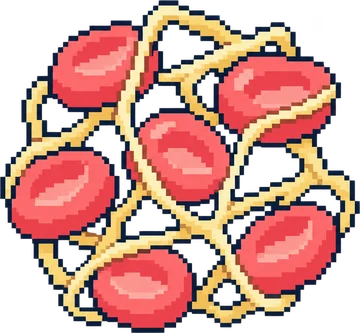 Clot in artery
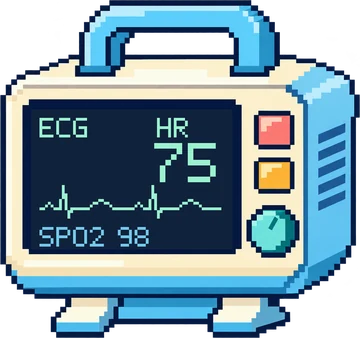 ECG changes
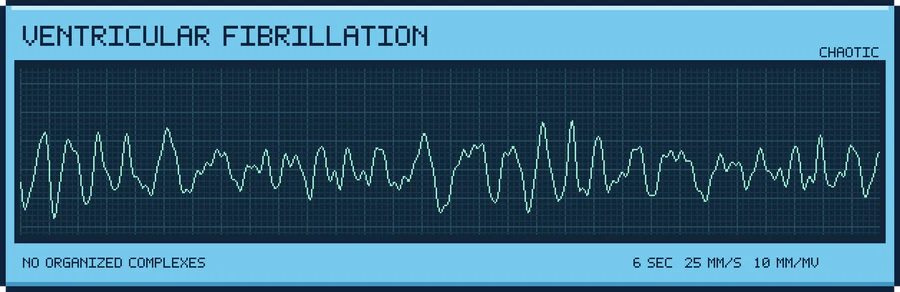 Deadly rhythms
 Pump failing



 CHECKPOINT 1
 30 MINNo cath lab?Fibrinolytic by now.
 90 MINBalloon + stentDoor to balloon goal.
 DAYS 1 TO 3Up and walkingDangle, chair, hallway.
 OXYGENOnly if SpO2 is under 90%.
 BP BEFORE NITROEvery dose.
 IV ACCESSReady for drugs and fluids.
 RESTThen slowly build activity.
 STOOL SOFTENERStraining can trigger dysrhythmias.
 SITE CHECKSAfter any cath.

 P2Y12 inhibitor
 Beta blocker
 High-intensity statin
 ACE inhibitor



 WEIGHTIf heart failure develops.
 CARDIOLOGYWithin 1 to 2 weeks.
 Q BANK
 ACUITY
 POTION PASS