
SEPSIS AND SEPTIC SHOCK
The body overreacts to an infection.
Vessels leak and relax, pressure drops, organs starve.

FOUNDATIONS + CONNECTIONS
How infection turns into shock, who is at risk.SEPSIS =
Life-threatening organ dysfunction caused by the body's out-of-control response to an infection.
WHAT'S HAPPENING INSIDE tap each step
INFECTION
TO SHOCK
READ THE LACTATE slide it and watch the organs
 Brain
 Heart
 Kidneys
 Skin
WARM SHOCK TO COLD SHOCK

RISK FACTORS
CAN BE CHANGED hover or tap
HARDER TO CHANGE hover or tap
ACROSS THE LIFESPAN tap each one
HOW IT CONNECTS tap each one
SEPSIS
 CHECKPOINT 1
ASSESSMENT + DIAGNOSTICS
Catch it early, read the numbers.EARLY WARNING SIGNS tap each one
SEPSIS OR NOT? TRUE OR FALSE beat the clock
COMPENSATING OR FAILING?
LABS AND TESTS flip all 6
RED FLAGS tap each one
CHECKPOINT 2PRIORITIZATION + CLINICAL JUDGMENT
Who first, and the hour-1 bundle.WHO DO YOU SEE FIRST?
THE HOUR-1 BUNDLE put it in order
CULTURES ARE SLOW. WHAT NOW?
RN OR ASSISTIVE PERSONNEL?
CHECKPOINT 3MEDICAL TREATMENT + TEAM
Find the source, fill the tank, squeeze the pipes.THE FIRST 6 HOURS scroll the timeline
0Sepsis flaggedCall the team. HOUR 1Bundle doneCultures, antibiotics, fluids.
 HOURS 1 TO 3MAP 65+Pressor if fluids are not enough.
 HOURS 2 TO 4Repeat lactateShould be falling.EVERY HOURUrine 0.5 mL/kgOrgans perfused?ASAPSource controlDrain, debride, pull the line.
THE TREATMENT PATH tap each step
THE NURSE'S ROLE tap each one
THE TEAM hover or tap
CHECKPOINT 4NURSING INTERVENTIONS
What the nurse does, and the traps to avoid.PRIORITY NURSING ACTIONS
SCREEN EVERY SHIFTVital signs plus mental status.LACTATEDraw, then repeat if over 2. FLUIDS ON TIMEReassess after each bolus.MAP 65+Titrate pressors to the goal.URINE HOURLY0.5 mL/kg/hr.
 LISTEN AFTER FLUIDSNew crackles: stop and report.
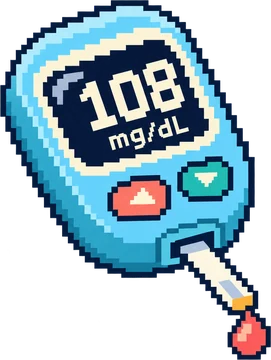 GLUCOSEKeep 140 to 180.
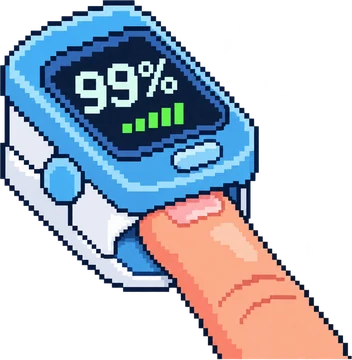 OXYGENKeep SpO2 at goal.CLUSTER CARELower oxygen demand.
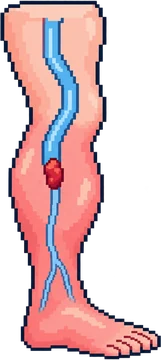 PREVENT EXTRASDVT and stress ulcer prevention as ordered.
DO IT OR TRAP?
 CHECKPOINT 5
PHARMACOLOGY
Tap each card to flip the exam trap.THE MEDICATION CARDS tap to flip
CHECKPOINT 6COMPLICATIONS + EVALUATION
What can go wrong and how you know it is working.COMPLICATIONS tap each one
IS THE TREATMENT WORKING?
CHECKPOINT 7PATIENT EDUCATION
Prevent it, and know when to get help.HOW TO PREVENT IT AT HOME


AFTER A SEPSIS STAY
FATIGUENormal for weeks. Rest, then build up.MEMORY + MOODPost-sepsis syndrome is common. REHABRebuild strength.NEW INFECTIONHigher risk for a while.
FOLLOW-UP
 PRIMARY CARESoon after discharge.LABSKidney function if injured.VACCINESCatch up.SUPPORTSurvivor groups help.
OKAY, CALL THE PROVIDER, OR CALL 911?
CHECKPOINT 8FINAL CHECK
5 questions from everything, mixed like the exam.FINAL CHECKPLAY IT
 Q BANK
 ACUITY
 POTION PASS
SEPSIS AND SEPTIC SHOCK, ONE SHEET
Every sprite, rule and medication from this page, made to print or drop into your notes app.
$2.99 · FREE WITH PRO
COMING SOON SEE PRO
QUICK ANSWERS
What is the difference between sepsis and septic shock?
Sepsis is organ dysfunction caused by an out-of-control response to infection. Septic shock is sepsis that still needs a vasopressor to keep the mean arterial pressure at 65 or higher, with a lactate over 2, after adequate fluids.
What is the hour-1 sepsis bundle?
Measure lactate and repeat it if over 2, draw blood cultures before antibiotics, give broad-spectrum antibiotics, give 30 mL/kg crystalloid for low blood pressure or lactate of 4 or more, and start a vasopressor if the MAP stays under 65.
What are the early signs of sepsis?
Fever or low temperature, a fast heart rate, fast breathing, a high or low white count and new confusion. Low blood pressure is a late sign.
Should antibiotics wait until blood cultures are drawn?
Cultures are drawn first when it can be done quickly, but they should never delay antibiotics in septic shock.
What does the nurse do if a norepinephrine IV leaks into the tissue?
Stop the infusion, leave the catheter in to aspirate, notify the provider and give phentolamine into the area as ordered. Never flush the line.
How this page is checked: facts come from current national clinical guidelines and standard nursing textbooks and review books, weighted to what they test most. All wording, questions and art are original to PixelNursing. Last reviewed November 2026.