
HEART FAILURE
Weak pump. Fluid backs up.
Left = lungs. Right = body.

FOUNDATIONS + CONNECTIONS
What it is, why it happens, who gets it, what it connects to.
HEART FAILURE =
The heart can't keep up with the blood flow the body needs, or it only keeps up by running very high pressures inside.
WHAT'S HAPPENING INSIDE tap each step of the cycle
VICIOUS
CYCLE
Tap step 1 to start.
WATCH IT BACK UP pick a side to fail
Body → right side → lungs → left side → body.
Right side pumps to the lungs. Left side pumps to the body. Pick a side to break it.
The left ventricle can't push blood out, so it piles up in the lungs.
 Crackles
 Short of breathPink froth
Less blood gets out too:
 Confusion
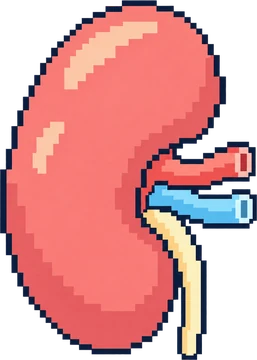 Low urine
 Tired, cool
The right ventricle can't push blood into the lungs, so it piles up in the body's veins.
 Neck veins bulge
 Big liver, abdominal fluid
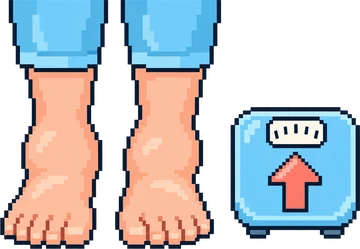 Swollen legsWeight gain
Lungs usually sound clear in pure right-sided failure.
Fluid stuck in the lungs raises lung pressure. The right side pushes against it, wears out, and the body backs up too.
Watch: lungs fill first...
 #1 cause of right-sided failure
TWO WAYS THE PUMP FAILS


SLIDE THE EJECTION FRACTION (EF)
HOW SEVERE IS IT? tap each class
RISK FACTORS
YOU CAN CHANGE hover or tap
YOU CAN'T CHANGE hover or tap
WHAT SETS OFF A FLARE hover or tap each one
ACROSS THE LIFESPAN tap each one
HOW IT CONNECTS tap each one
HEART FAILURE CHECKPOINT 1
ASSESSMENT + DIAGNOSTICS
Signs, red flags and the tests that prove it.LEFT VS RIGHT hover or tap every number on both bodies
LEFT = LUNGS
fluid backs into the lungs
RIGHT = BODY
fluid backs into the veins
EARLY OR LATE?
RED FLAGS · REPORT NOW
Pink, frothy sputum New confusion + low SpO2Urine under 30 mL an hourLow BP, cold and clammy
LABS AND TESTS flip all 6
CALL IF +2 TO 3 LB IN A DAY
OR +5 LB IN A WEEK
every morning · after voiding · before breakfast · same scale
CALL OR OKAY?
CHECKPOINT 2PRIORITIZATION + CLINICAL JUDGMENT
Who first, what first, when to escalate.WHO DO YOU SEE FIRST?
PICK THE RIGHT POSITION
THE GAME PLAN
 Check lungs + SpO2
 Sit up, legs down
 Oxygen to 90%+
 IV furosemide
 Strict I&O, potassium, BP
WHAT DO YOU DO FIRST?
RN OR ASSISTIVE PERSONNEL?
CHECKPOINT 3MEDICAL TREATMENT + TEAM
The treatment ladder, procedures and who does what.THE TREATMENT LADDER tap each step, bottom to top of severity
THE NURSE'S ROLE tap each one
THE TEAM hover or tap
CHECKPOINT 4NURSING INTERVENTIONS
What the nurse does, and the traps to avoid.PRIORITY NURSING ACTIONS
POSITIONHead of bed up, legs down when short of breath.OXYGENKeep the saturation at 90% or higher.DAILY WEIGHTSame time, same scale, same clothes.STRICT I&OTrack every input and output. SODIUM + FLUID LIMITSAs ordered.
 CLUSTER CARERest between activities.
 SKIN CARETurn often. Edematous skin breaks down fast.
 FALL PRECAUTIONSDiuretics plus low blood pressure mean dizziness.
 LABSPotassium, sodium, creatinine, digoxin level.
DO IT OR TRAP?
CHECKPOINT 5PHARMACOLOGY
Tap each card to flip the exam trap.THE 4 THAT HELP PEOPLE LIVE LONGER (HFrEF)
 ARNI, ACE inhibitor or ARB
 Beta blocker
 MRA
 SGLT2 inhibitor
POTASSIUM: UP OR DOWN?
 CHECKPOINT 6
COMPLICATIONS + EVALUATION
What can go wrong and how you know treatment is working.COMPLICATIONS tap each one
IS THE TREATMENT WORKING?
CHECKPOINT 7PATIENT EDUCATION
What keeps them out of the hospital.HOW TO MANAGE IT AT HOME


TRACK EVERY DAY
WEIGHTEvery morning, written down.SWELLINGAnkles, legs, abdomen.BREATHINGShortness of breath and pillows needed. BP + PULSEIf the provider asks.
FOLLOW-UP
VISITSWithin a week or two after discharge.LABSPotassium and kidney function on these medications.CARDIAC REHABReferral after a hospital stay. LONG TERMLifelong condition. Keep every visit, even on good weeks.
GROCERY RUN: SALTY OR SAFE?
OKAY, CALL THE PROVIDER, OR CALL 911?
CHECKPOINT 8FINAL CHECK
5 questions from everything, mixed like the exam.FINAL CHECKPLAY IT
 Q BANK
 ACUITY
 POTION PASS
HEART FAILURE, ONE SHEET
Every sprite, rule and medication from this page, made to print or drop into your notes app.
$2.99 · FREE WITH PRO
COMING SOON SEE PRO
QUICK ANSWERS
What is the difference between left-sided and right-sided heart failure?
Left-sided heart failure backs fluid up into the lungs: shortness of breath, orthopnea, crackles and a cough. Right-sided heart failure backs fluid up into the veins and body: JVD, swollen ankles, weight gain, ascites and an enlarged liver. Left-sided failure is the most common cause of right-sided failure.
How much weight gain should a client with heart failure report?
More than 2 to 3 lb in a day or 5 lb in a week. The client weighs every morning after voiding and before breakfast, on the same scale.
When does the nurse hold digoxin?
The nurse counts the apical pulse for a full minute and holds the dose and notifies the provider if an adult's pulse is under 60, or if there are signs of toxicity like nausea, poor appetite or yellow-green vision changes.
How should a short-of-breath client with heart failure be positioned?
Sitting upright in high Fowler position with the legs down. Lying flat or raising the legs sends more fluid to the lungs.
Why does furosemide raise the risk of digoxin toxicity?
Furosemide makes the kidneys lose potassium, and low potassium makes the heart more sensitive to digoxin.
How this page is checked: facts come from current national clinical guidelines and standard nursing textbooks and review books, weighted to what they test most. All wording, questions and art are original to PixelNursing. Last reviewed November 2026.