
PERIPHERAL ARTERY DISEASE
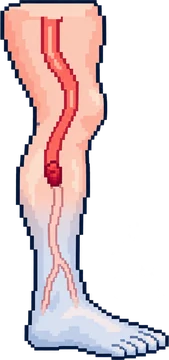
Plaque narrows the leg arteries.
Muscles starve when they work. Legs down, never heat.
FOUNDATIONS + CONNECTIONS
Why the legs starve, who gets it, what it signals.PERIPHERAL ARTERY DISEASE =
Plaque narrows the arteries to the legs, so muscles and skin get too little blood, first with activity, then even at rest.
WHAT'S HAPPENING INSIDE tap each step
PLAQUE
TO LIMB
READ THE ABI slide the ankle-brachial index
 Walking pain
 Pain at rest
 UlcersLimb at risk
RISK FACTORS
YOU CAN CHANGE hover or tap
YOU CAN'T CHANGE hover or tap
ACROSS THE LIFESPAN tap each one
HOW IT CONNECTS tap each one
PAD CHECKPOINT 1
ASSESSMENT + DIAGNOSTICS
Arterial vs venous, the ABI, and acute occlusion.ARTERIAL OR VENOUS?
LABS AND TESTS flip all 6
ACUTE OCCLUSION: THE 6 Ps tap each one
CHECKPOINT 2PRIORITIZATION + CLINICAL JUDGMENT
Who first, what first, especially after a bypass.WHO DO YOU SEE FIRST?
PULSE GONE AFTER BYPASS. WHAT FIRST?
AFTER A BYPASS GRAFT
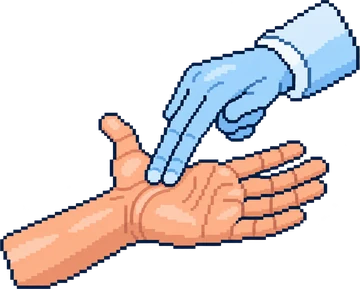 Pulses, color, warmth, feeling: often, then on schedule
 Use a Doppler if you can't feel it, mark the spot
 No knee bending or long sitting earlyLost pulse, new pain, cold pale leg: notify now
RN OR ASSISTIVE PERSONNEL?
CHECKPOINT 3MEDICAL TREATMENT + TEAM
Walk, protect, open the artery if needed.THE TREATMENT PATH tap each step
THE NURSE'S ROLE tap each one
THE TEAM hover or tap
CHECKPOINT 4NURSING INTERVENTIONS
Positioning, warmth, and the traps.PRIORITY NURSING ACTIONS
LEGS SLIGHTLY DOWNGravity helps arterial flow.PULSE CHECKSCompare both sides.KEEP WARMSocks and blankets, never direct heat.NO CROSSED LEGSSqueezes the arteries. NO TIGHT STOCKINGSCompression can cut off arterial flow.SKIN CHECKSHeels, toes, between toes.WALK DAILYBuilds collaterals.
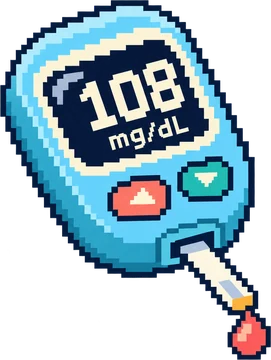 GLUCOSE CONTROLHelps healing.
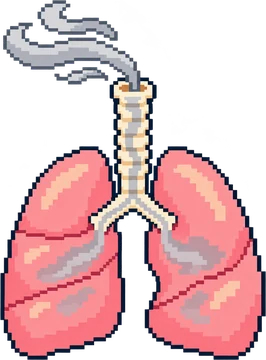 SMOKING CESSATIONEvery visit.
PICK THE BETTER POSITION
DO IT OR TRAP?
CHECKPOINT 5PHARMACOLOGY
Tap each card to flip the exam trap.THE MEDICATION CARDS tap to flip
DRUG ↔ KEY POINT tap a drug, then its key point
CHECKPOINT 6COMPLICATIONS + EVALUATION
What can go wrong and how you know it is working.COMPLICATIONS tap each one
IS THE TREATMENT WORKING?
CHECKPOINT 7PATIENT EDUCATION
Foot care and walking for life.HOW TO MANAGE IT AT HOME


TRACK AT HOME
WALKING DISTANCEHow far before pain.FEETCuts, color changes, sores.GLUCOSEIf diabetic. BPIf asked.
FOLLOW-UP
VASCULAR VISITSABI and pulses. LIPIDSOn the statin.PODIATRYNails and calluses.
 HEART CHECKSPAD means heart risk.
OKAY, CALL THE PROVIDER, OR CALL 911?
FOOT CARE: TRUE OR FALSE? beat the clock
CHECKPOINT 8FINAL CHECK
5 questions from everything, mixed like the exam.FINAL CHECKPLAY IT
 Q BANK
 ACUITY
 POTION PASS
PERIPHERAL ARTERY DISEASE, ONE SHEET
Every sprite, rule and medication from this page, made to print or drop into your notes app.
$2.99 · FREE WITH PRO
COMING SOON SEE PRO
QUICK ANSWERS
What is intermittent claudication?
Cramping pain in the calf, thigh or buttock that comes on with walking and goes away with a few minutes of rest. It happens because narrowed arteries can't deliver enough blood to working muscles.
How do you tell arterial from venous disease?
Arterial disease causes pain with walking, weak or absent pulses, pale cool hairless skin and deep painful toe ulcers, and gets better with the legs down. Venous disease causes swelling, brown skin at the ankles and shallow weepy ulcers above the inner ankle, and gets better with the legs raised.
What does the ankle-brachial index mean?
It is the ankle systolic pressure divided by the arm systolic pressure. 1.00 to 1.40 is normal, 0.90 or less means peripheral artery disease, and 0.40 or less means critical limb ischemia. Over 1.40 means stiff, calcified arteries.
Why should a client with PAD avoid heating pads?
Feet with poor circulation and often numbness from diabetes burn easily, and heat raises the tissue's oxygen demand. Warm socks and blankets are used instead.
What are the 6 Ps of acute arterial occlusion?
Pain, pallor, pulselessness, paresthesia, paralysis and poikilothermia (coldness). It is a limb emergency: notify the provider right away and keep the leg flat and protected.
How this page is checked: facts come from current national clinical guidelines and standard nursing textbooks and review books, weighted to what they test most. All wording, questions and art are original to PixelNursing. Last reviewed November 2026.