Blood stops reaching part of the brain. Every minute counts. Time last known well is everything.
TOP OF THE UNIT8 levels36 quiz questions18 mini games
0/8 done
● 0
1
FOUNDATIONS + CONNECTIONS
What it is, the types, who gets it, what it connects to.
STROKE =
Brain cells die because blood flow to part of the brain is blocked by a clot or a vessel bursts and bleeds.
About 87% are ischemic (clots)Signs depend on which part of the brainTreat fast: time last known well
WHAT'S HAPPENING INSIDE tap each step
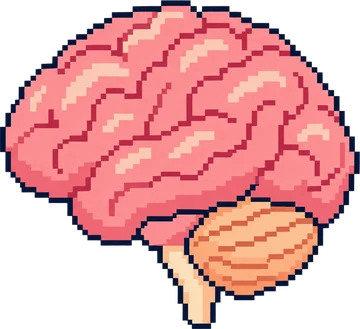
BRAIN ATTACK
TIME LAST KNOWN WELL slide the clock and see what is still possible
hours since last known well
Clot-busting drugClot removalPrevent the next oneRehab
THE TYPES
ISCHEMIC: THROMBOTICClot on plaque in a brain arteryOften during sleep. May follow TIAs.
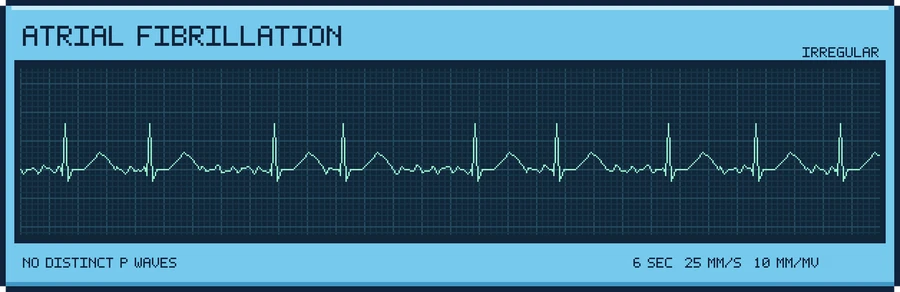
ISCHEMIC: EMBOLICClot travels from the heartSudden onset. A-fib is the classic source.
HEMORRHAGIC: ICHVessel bursts inside the brainHigh BP is the main cause. Headache, vomiting.
HEMORRHAGIC: SAHAneurysm bursts around the brainWorst headache of my life, stiff neck.
TIAA warning stroke: signs clear (even brief one-eye vision loss counts), but the risk of a full stroke is highest in the next 2 days. Same-day workup.
RISK FACTORS
YOU CAN CHANGE hover or tap
YOU CAN'T CHANGE hover or tap
ACROSS THE LIFESPAN tap each one
HOW IT CONNECTS tap each one
STROKE
TAP A CONNECTIONArrows show which way the damage travels.
MUST KNOWNo clot drug until a noncontrast CT rules out bleeding.
CHECKPOINT 1
2
ASSESSMENT + DIAGNOSTICS
Spot it fast, left brain vs right brain, the tests.
BE-FAST read the strip
1Whoa, the room is spinning.B · BALANCE
2I can only see half the page.E · EYES
3Why is my smile crooked?F · FACE
4My arm keeps drifting down.A · ARM
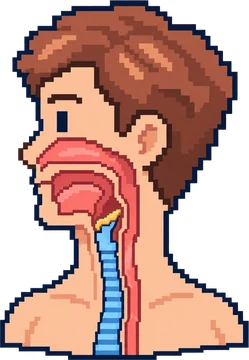
5I cn't get th words out.S · SPEECH
6Call 911. When were they last normal?T · TIME
LEFT BRAIN OR RIGHT BRAIN?
LABS AND TESTS flip all 6
RED FLAGS tap each one
CHECKPOINT 2
3
PRIORITIZATION + CLINICAL JUDGMENT
Code stroke, who first, what first.
WHO DO YOU SEE FIRST?
BEFORE ANYTHING BY MOUTH
CODE STROKE put it in order
ESCALATEAny drop in the neuro check, new headache or vomiting: stop a running clot drug, call the provider or stroke team now.
RN OR ASSISTIVE PERSONNEL?
CHECKPOINT 3
4
MEDICAL TREATMENT + TEAM
Reopen it, or stop the bleed, then prevent the next one.
THE TREATMENT PATH tap each step
THE NURSE'S ROLE tap each one
THE TEAM hover or tap
CHECKPOINT 4
5
NURSING INTERVENTIONS
What the nurse does, and the traps to avoid.
PRIORITY NURSING ACTIONS
NEURO CHECKSOn schedule. Report any drop.
NPO TILL SCREENEDSwallow screen first.
HEAD OF BED 30Head midline for ICP.
BP TARGETSDepend on type and treatment.
GLUCOSE 140 TO 180No lows, no tight control.
TURN EVERY 2 HOURSWeak side: 30 minutes at a time.
FALL PRECAUTIONSEspecially right brain strokes.
SUPPORT THE WEAK ARMPrevents shoulder injury.
BLADDER + BOWELToilet every 2 hours. Fluids 2,500 to 3,000 mL unless restricted, fiber.
DVT PREVENTIONCompression devices.
DO IT OR TRAP?
NEVERGive a clot drug before the CT, or anything by mouth before the swallow screen.
CHECKPOINT 5
6
PHARMACOLOGY
Tap each card to flip the exam trap.
THE MEDICATION CARDS tap to flip
24-HOUR RULEAfter a clot drug: no antiplatelets or anticoagulants for 24 hours.
CHECKPOINT 6
7
COMPLICATIONS + EVALUATION
What can go wrong and how you know it is working.
COMPLICATIONS tap each one
IS THE TREATMENT WORKING?
STROKE FACTS: TRUE OR FALSE? beat the clock
TREATMENT FAILINGAny new neuro decline: repeat the neuro check, call the provider or stroke team, expect a repeat CT.
CHECKPOINT 7
8
PATIENT EDUCATION
Safety at home and stopping the next stroke.
HOW TO MANAGE IT AT HOME
KNOW BE-FASTCall 911 for any new sign.
MEDS EVERY DAYAntiplatelet or anticoagulant, statin, BP pills.
BP CONTROLThe biggest prevention step.
SAFE SWALLOWUpright, chin tuck, the right textures.
HOME SAFETYClear paths, rails, good light.
SCAN THE ROOMTurn the head to see the lost side.
CANE ON THE STRONG SIDEMove it with the weak leg.
MOOD SWINGSSudden laughing or crying is common. Calmly redirect.
QUIT TOBACCOAnd limit alcohol.
TRACK AT HOME
BPDaily if asked.
GLUCOSEIf diabetic.
NEW SIGNSBE-FAST.
MOODSadness that lasts.
FOLLOW-UP
NEUROLOGYWithin weeks.
REHABPT, OT and speech.
LABSLipids, INR if on warfarin.
HEART RHYTHMMonitoring for A-fib.
APHASIA: HELPS OR HURTS?
OKAY, CALL THE PROVIDER, OR CALL 911?
TRAPSigns that go away are still an emergency. A TIA warns that a stroke may be coming.
Balance, Eyes, Face, Arm, Speech, Time. A sudden change in any of these means call 911 and note the time the person was last known well.
What is the difference between an ischemic and a hemorrhagic stroke?
An ischemic stroke is a clot blocking a brain artery and makes up about 87% of strokes. A hemorrhagic stroke is a burst vessel bleeding into or around the brain. A noncontrast CT tells them apart, and clot drugs are only for ischemic strokes.
How long after a stroke can a clot drug or thrombectomy be given?
A thrombolytic like tenecteplase or alteplase is given within about 4.5 hours of the time last known well. A large-vessel clot can be removed by thrombectomy up to 24 hours in selected clients.
What are the signs of a left versus right brain stroke?
A left brain stroke causes right-sided weakness and aphasia, and the client is usually slow, cautious and aware of the deficits. A right brain stroke causes left-sided weakness, left neglect, impulsive behavior and denial of deficits, which makes falls more likely.
How does the nurse prevent aspiration after a stroke?
Keep the client NPO until a bedside swallow screen is passed. Then sit fully upright, teach a chin tuck, give liquids at the ordered thickness, place food on the stronger side and check for pocketed food.
How this page is checked: facts come from current national clinical guidelines and standard nursing textbooks and review books, weighted to what they test most. All wording, questions and art are original to PixelNursing. Last reviewed November 2026.

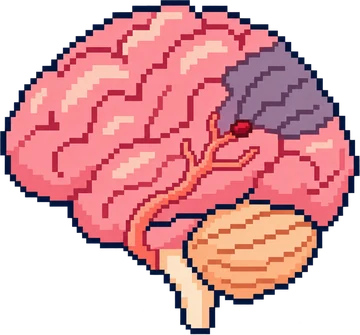
 Clot-busting drug
 Clot removal
 Prevent the next one
 Rehab


 CHECKPOINT 1
 B · BALANCE
 E · EYES
 S · SPEECH
 NEURO CHECKSOn schedule. Report any drop.
 NPO TILL SCREENEDSwallow screen first.
 HEAD OF BED 30Head midline for ICP.
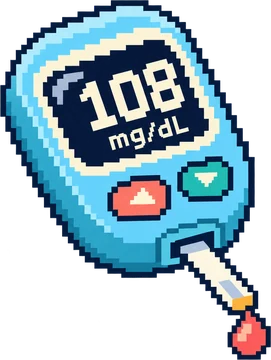 GLUCOSE 140 TO 180No lows, no tight control.
 TURN EVERY 2 HOURSWeak side: 30 minutes at a time.
 FALL PRECAUTIONSEspecially right brain strokes.
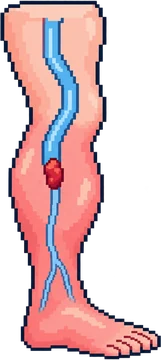 DVT PREVENTIONCompression devices.


 LABSLipids, INR if on warfarin.
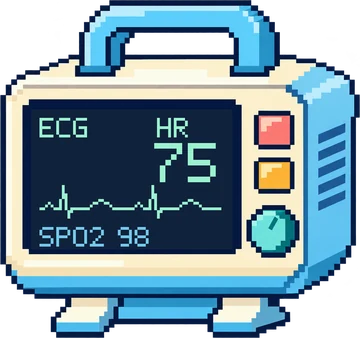 HEART RHYTHMMonitoring for A-fib.
 Q BANK
 ACUITY
 POTION PASS