
DVT AND PULMONARY EMBOLISM
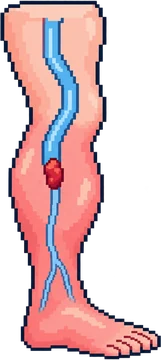
A clot forms in a deep leg vein.
If it breaks loose, it can block the lungs.
FOUNDATIONS + CONNECTIONS
Why clots form, who gets them, where they go.DVT AND PE =
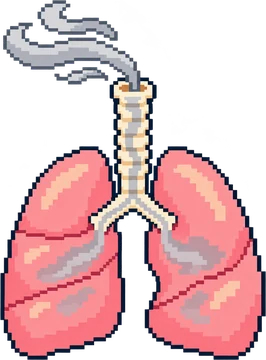
A clot forms in a deep vein, usually the calf or thigh. A piece can break off, ride through the right heart and block a lung artery.
VIRCHOW'S TRIAD the 3 things that make clots



FOLLOW THE CLOT slide it from the leg to the lungs
Calf veinBig leg vein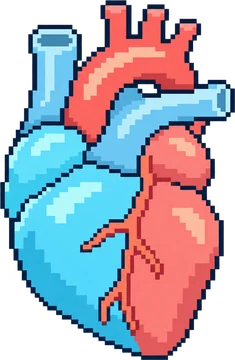 Right heart
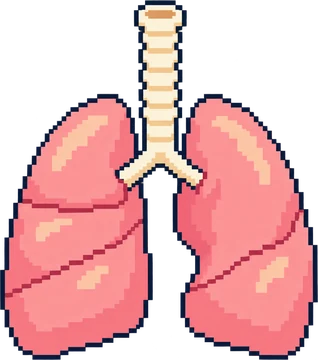 Lung artery
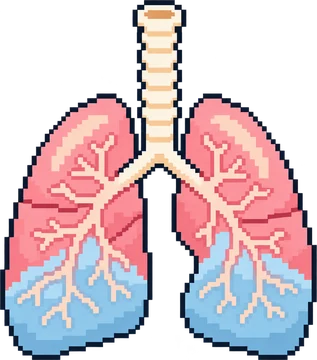 Blocked lung
RISK FACTORS
CAN BE CHANGED hover or tap
HARDER TO CHANGE hover or tap
ACROSS THE LIFESPAN tap each one
HOW IT CONNECTS tap each one
VTE
 CHECKPOINT 1
ASSESSMENT + DIAGNOSTICS
DVT signs, PE signs, the tests.DVT OR PE?
LABS AND TESTS flip all 6
RED FLAGS tap each one
CHECKPOINT 2PRIORITIZATION + CLINICAL JUDGMENT
Who first, what first when a PE hits.WHO DO YOU SEE FIRST?
SUSPECTED PE. WHAT FIRST?
PE GAME PLAN put it in order
RN OR ASSISTIVE PERSONNEL?
CHECKPOINT 3MEDICAL TREATMENT + TEAM
Thin the blood, stop the clot from growing, prevent the next one.THE TREATMENT PATH tap each step
THE NURSE'S ROLE tap each one
THE TEAM hover or tap
CHECKPOINT 4NURSING INTERVENTIONS
Prevention, positioning and the traps.PRIORITY NURSING ACTIONS
 EARLY WALKINGAfter surgery, as soon as allowed.SCDsOn whenever in bed.
 ANKLE PUMPSFlex and point every hour awake.
 FLUIDSPrevent dehydration.
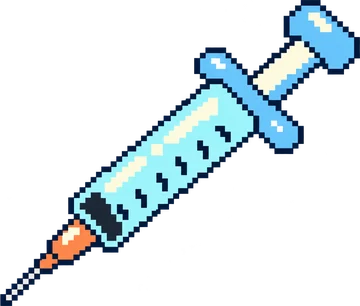 PROPHYLAXISEnoxaparin or heparin as ordered.MEASURE CALVESSame spot each time.ELEVATE A DVT LEGReduces swelling and pain.
 BLEEDING PRECAUTIONSSoft brush, electric razor.
 LABSaPTT, INR, platelets.
DO IT OR TRAP?
CHECKPOINT 5PHARMACOLOGY
Tap each card to flip the exam trap.THE MEDICATION CARDS tap to flip
DRUG ↔ ANTIDOTE tap a drug, then its reversal
CHECKPOINT 6COMPLICATIONS + EVALUATION
What can go wrong and how you know it is working.COMPLICATIONS tap each one
IS THE TREATMENT WORKING?
CHECKPOINT 7PATIENT EDUCATION
Living on an anticoagulant and stopping the next clot.HOW TO MANAGE IT AT HOME


TRACK AT HOME
LEGSwelling, pain, warmth.BREATHINGAny sudden change.BLEEDINGAny new signs.DOSESA pill box or phone alarm.FOLLOW-UP
INR CHECKSOn warfarin.3 MONTHSDecide how long to keep treating.KIDNEY LABSOn a DOAC.BEFORE SURGERYA plan for stopping and restarting.OKAY, CALL THE PROVIDER, OR CALL 911?
CLOT MYTHS: TRUE OR FALSE? beat the clock
CHECKPOINT 8FINAL CHECK
5 questions from everything, mixed like the exam.FINAL CHECKPLAY IT
 Q BANK
 ACUITY
 POTION PASS
DVT AND PULMONARY EMBOLISM, ONE SHEET
Every sprite, rule and medication from this page, made to print or drop into your notes app.
$2.99 · FREE WITH PRO
COMING SOON SEE PRO
QUICK ANSWERS
What is Virchow's triad?
The three things that cause venous clots: blood stasis (not moving), vessel wall injury and blood that clots too easily. Surgery, bed rest, estrogen, pregnancy and cancer are common examples.
What are the signs of a DVT versus a pulmonary embolism?
A DVT usually causes swelling, pain, warmth and redness in one leg. A pulmonary embolism causes sudden shortness of breath, sharp chest pain with breathing, a fast heart rate, anxiety and sometimes coughing up blood.
What should the nurse do first for a suspected pulmonary embolism?
Stay with the client, raise the head of the bed, apply oxygen and call for help or the rapid response team. IV access, monitoring and a CT angiogram follow.
Why are heparin and warfarin given together?
Heparin acts within minutes, while warfarin needs several days to build up. Heparin continues until the INR is in range for at least 24 hours, after at least 5 days of overlap.
How is enoxaparin given?
Deep subcutaneous in the abdomen, about 2 inches from the navel. Do not expel the air bubble in the prefilled syringe and do not rub the site afterward.
How this page is checked: facts come from current national clinical guidelines and standard nursing textbooks and review books, weighted to what they test most. All wording, questions and art are original to PixelNursing. Last reviewed November 2026.