
HYPERTENSION
Too much pressure in the pipes.
Silent for years. Damages every organ it touches.

FOUNDATIONS + CONNECTIONS
What it is, why it happens, who gets it, what it damages.HYPERTENSION =
Blood pressure that stays at 130/80 or higher, so the heart and vessels work against constant extra force.
WHAT'S HAPPENING INSIDE tap each step
PRESSURE
CYCLE
TURN UP THE PRESSURE slide the top number and watch the organs
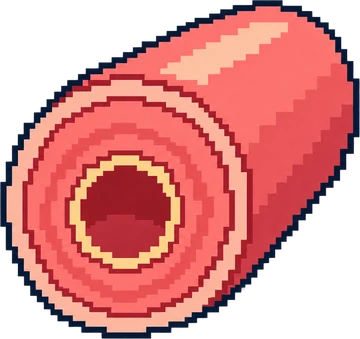 Vessels
 Heart
 Brain
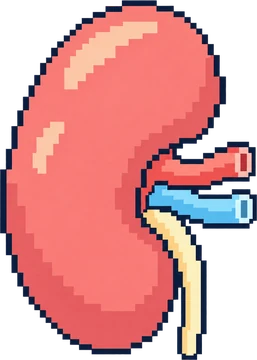 Kidneys
 Eyes

RISK FACTORS
YOU CAN CHANGE hover or tap
YOU CAN'T CHANGE hover or tap
ACROSS THE LIFESPAN tap each one
HOW IT CONNECTS tap each one
HYPERTENSION CHECKPOINT 1
ASSESSMENT + DIAGNOSTICS
Measure it right, stage it, catch organ damage.HOW IT IS DIAGNOSED
2+ VISITSAverage of 2 or more readings on 2 or more visits.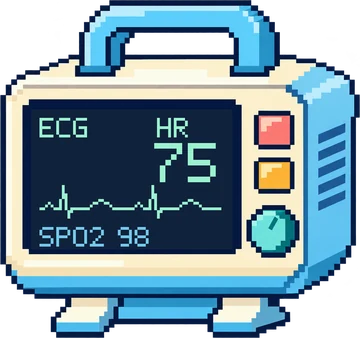 HOME OR 24-HOURConfirms it and catches white coat or masked hypertension.
 BOTH ARMSFirst visit. Use the higher arm after that.
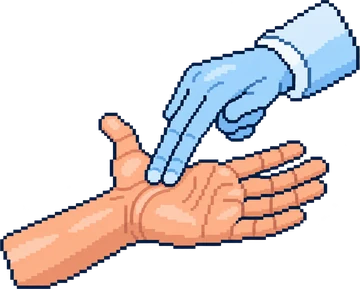 REST FIRST5 minutes seated, no caffeine, exercise or smoking for 30 minutes.
TAKE IT RIGHT: TOO HIGH, TOO LOW OR CORRECT?
LABS AND TESTS flip all 6
RED FLAGS: ORGAN DAMAGE tap each one
CHECKPOINT 2PRIORITIZATION + CLINICAL JUDGMENT
Emergency or not, what first, how fast to lower it.WHO DO YOU SEE FIRST?
EMERGENCY OR SEVERE WITHOUT DAMAGE?
THE SAFE DROP (EMERGENCY) scroll the timeline
ARRIVALSevere + organ signsICU, arterial line, IV drip.HOUR 1MAP down 25% maxNo faster. The brain needs pressure.HOURS 2 TO 6Toward 160/100 to 110If stable.24 TO 48 HOURSToward normalSwitch to pills. TOO FAST?Stroke, MI, kidney injuryOrgans lose blood flow.
RN OR ASSISTIVE PERSONNEL?
CHECKPOINT 3MEDICAL TREATMENT + TEAM
Lifestyle, medication steps, the IV drips and the team.THE TREATMENT LADDER tap each step
THE NURSE'S ROLE tap each one
THE TEAM hover or tap
CHECKPOINT 4NURSING INTERVENTIONS
What the nurse does, and the traps to avoid.PRIORITY NURSING ACTIONS
MEASURE RIGHTRight cuff, seated, arm at heart level. ORTHOSTATIC CHECKSLying, sitting, standing.FALL PRECAUTIONSRise slowly, call for help.CHECK BEFORE DOSESBP, and apical pulse for beta blockers.
 WATCH LABSPotassium, creatinine.IV DRIPSBP every 5 to 15 minutes.
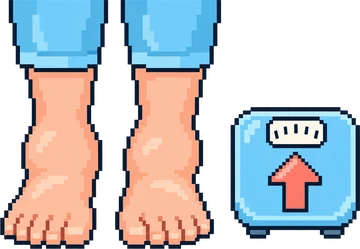 WEIGHT + I&OOn diuretics.ASK ABOUT ADHERENCECost, side effects, forgetting.
 COACH LIFESTYLEStart with a diet history.
PICK THE SAFE WAY UP
DO IT OR TRAP?
CHECKPOINT 5PHARMACOLOGY
Tap each card to flip the exam trap.NAME THAT SUFFIX tap a suffix, then its class
FIRST LINE FOR MOST ADULTS
 Thiazide diuretic
 ACE inhibitor or ARB
 Calcium channel blocker
THE MEDICATION CARDS tap to flip
CHECKPOINT 6COMPLICATIONS + EVALUATION
What it damages, and how you know treatment is working.COMPLICATIONS tap each one
IS THE TREATMENT WORKING?
BP NOT AT GOAL. WHAT DO YOU CHECK FIRST?
CHECKPOINT 7PATIENT EDUCATION
What keeps the numbers down for life.HOW TO MANAGE IT AT HOME



TRACK AT HOME
UPPER-ARM CUFFA validated one, the right size.REST 5 MINSeated, back supported, feet flat.SAME TIMEMorning and evening.LOG ITBring the log and cuff to visits.FOLLOW-UP
MONTHLYUntil at goal, then every 3 to 6 months.LABSPotassium and kidney function.EYESRegular eye exams.RISKSCholesterol and blood sugar too.DASH OR SALTY?
OKAY, CALL THE PROVIDER, OR CALL 911?
BP MYTHS: TRUE OR FALSE? beat the clock
CHECKPOINT 8FINAL CHECK
5 questions from everything, mixed like the exam.FINAL CHECKPLAY IT
 Q BANK
 ACUITY
 POTION PASS
HYPERTENSION, ONE SHEET
Every sprite, rule and medication from this page, made to print or drop into your notes app.
$2.99 · FREE WITH PRO
COMING SOON SEE PRO
QUICK ANSWERS
What are the blood pressure stages?
Normal is under 120/80. Elevated is 120 to 129 systolic with diastolic under 80. Stage 1 hypertension is 130 to 139 systolic or 80 to 89 diastolic. Stage 2 is 140 or higher systolic or 90 or higher diastolic. If the numbers fall in different stages, the higher stage counts.
What is the difference between a hypertensive emergency and severe hypertension without organ damage?
Both mean a blood pressure over 180 systolic or over 120 diastolic. It is an emergency when there is new organ damage, like confusion, chest pain, pulmonary edema, vision loss or kidney injury. Emergencies get IV medication in an ICU, and the mean arterial pressure is lowered no more than 25% in the first hour.
How does the nurse take an accurate blood pressure?
The client sits quietly for 5 minutes with the back supported, feet flat and the arm at heart level, with no caffeine, exercise or smoking for 30 minutes. The cuff bladder must fit the arm: too small reads falsely high and too large reads falsely low.
What should a client taking an ACE inhibitor report right away?
Swelling of the lips, face or tongue, which is angioedema and can block the airway. A dry cough is common and is reported at the next contact, since the provider may switch to an ARB.
What is the DASH diet?
An eating plan rich in fruits, vegetables, whole grains and low-fat dairy, with less sodium, red meat and sugar. Sodium is kept under 2,300 mg a day, and 1,500 mg is even better for many adults.
How this page is checked: facts come from current national clinical guidelines and standard nursing textbooks and review books, weighted to what they test most. All wording, questions and art are original to PixelNursing. Last reviewed November 2026.